Addressing Regulatory Gaps
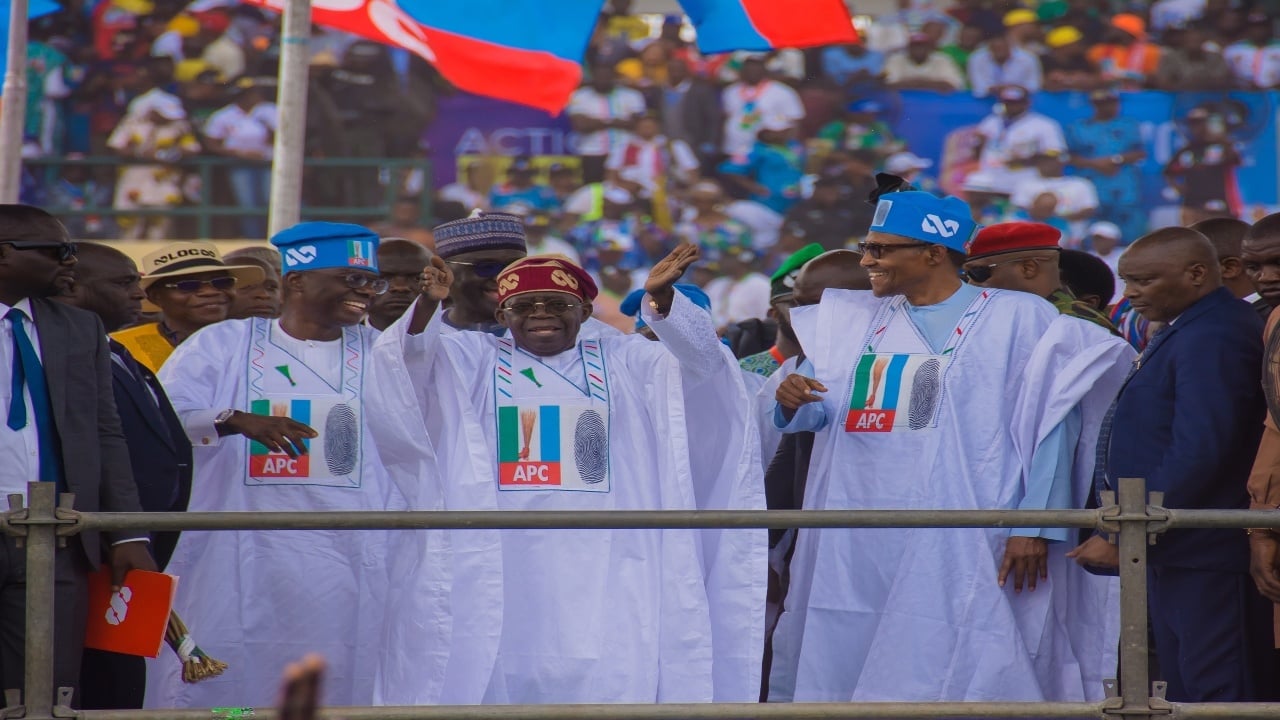
Nigerian President Bola Tinubu has signed an executive order aimed at regulating virtual assets and cracking down on unregistered operators, the government announced on July 17. The order establishes a new oversight framework to harmonize a regulatory environment described by officials as increasingly fragmented. The measure takes effect immediately.
Government officials said the order is designed to protect citizens from fraud, curb money laundering and prevent terrorism financing without adding unnecessary bureaucratic layers or dissolving the independent authority of existing financial bodies.
“With relevant agencies operating in silos, overlapping in some areas and leaving gaps in others, the country has been exposed to risks,” said Bayo Onanuga, special adviser to the president on information and strategy. He added that fraudulent operators have previously exploited these regulatory gaps to prey on unsuspecting citizens, costing families their savings.
Under the new decree, a newly formed Virtual Asset Council will serve as the chief policymaking and coordinating body. The council will be chaired by the Central Bank of Nigeria (CBN), with the Nigeria Revenue Service and the Nigeria Securities and Exchange Commission (NSEC) serving as vice chairs. The body will also include representatives from the Nigerian Financial Intelligence Unit and the Office of the National Security Adviser.
A new Virtual Asset Office, housed within the central bank, will handle day-to-day operations and information sharing among the agencies via a shared, integrated technology platform.
According to Onanuga, the executive order does not create a new regulatory agency or strip current agencies of their duties. Instead, registration responsibilities will be split according to the type of asset. Financial activities tied to securities will fall under the NSEC, while payments, settlements and custody services for non-security virtual assets will be managed by the CBN.
In tandem with the coordination order, the central bank plans to launch a regulatory sandbox to let eligible operators test virtual asset products and blockchain solutions under close monitoring before they are released to the wider public. Meanwhile, the Nigeria Revenue Service plans to unveil a specific tax policy for the virtual assets sector to boost voluntary compliance.
The Virtual Asset Council has been given 30 days to establish a framework to roll out the executive order. The government is also finalizing a broader Virtual Assets White Paper to outline its long-term strategy for the sector.