For people whose careers depend on sharing their lives online, creators don’t always get many opportunities to talk honestly with one another in front of a camera.
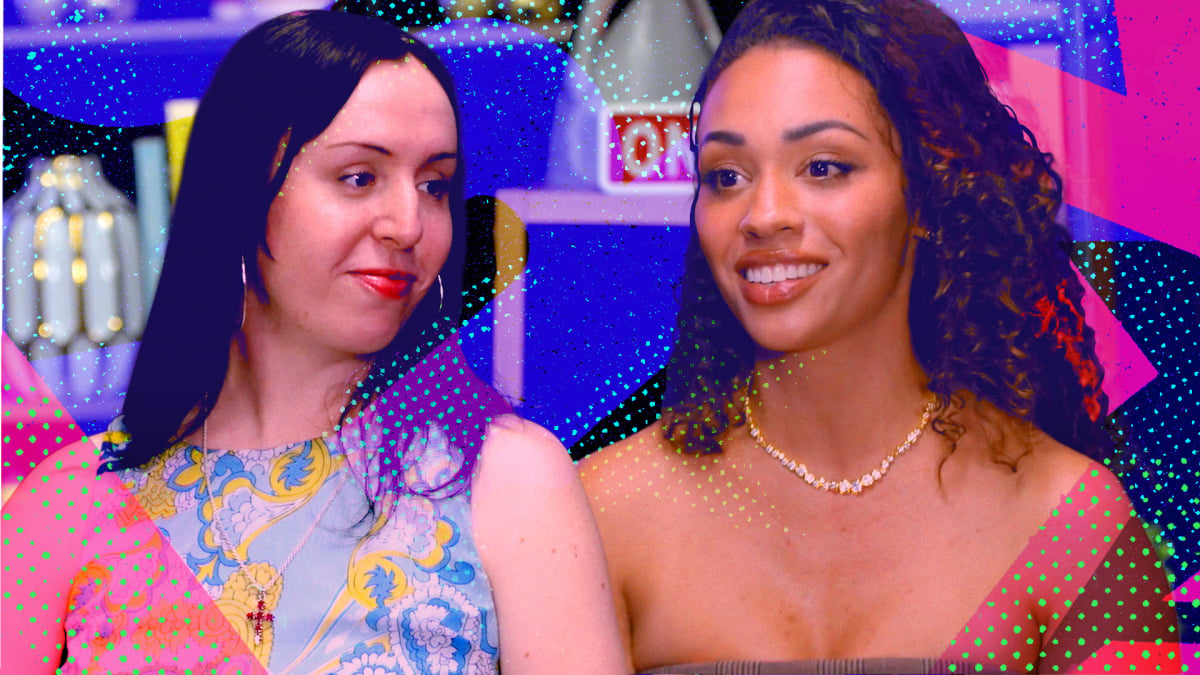
That’s the premise of Creator to Creator, Mashable’s new video series that brings internet personalities together for candid conversations about the realities of building a life and career online. To kick things off, we paired two creators featured in this year’s Mashable 101 list: Taryn Delanie Smith, a comedian and storyteller, and Kay Poyer, writer and commentator.

Credit: Ian Moore/Mashable
The conversation began with change. Smith recently traded city life for a home in upstate New York with a small flock of chickens, while Poyer is adjusting to life in New York City after moving from her home state of Texas. Both found themselves reflecting on new chapters, balancing excitement with uncertainty.
For Smith, whose online career helped make homeownership possible, the move felt especially significant. “Being a creator has opened so many doors for me,” she said. “I’m so grateful to my community.”
From there, the discussion turned to a challenge familiar to many creators: What happens when internet success opens doors in more traditional creative industries?

Credit: Ian Moore/Mashable
Both Smith and Poyer spoke about pursuing writing and acting alongside content creation and the self-doubt that can follow. Poyer described entering new creative spaces and questioning whether she belonged. Smith immediately related.
Recalling one of her first professional acting jobs on the Amazon Prime Video series Harlem, Smith said she worried people would assume she didn’t deserve to be there because her career started online. “I just don’t want people to think I don’t deserve to be here,” she remembered thinking, “because I want to be here so bad, and I really do think if I had time, I could be really good at this.”
It’s something they’ve both been navigating — who gets to be considered a “real” writer, actor, or director, and why creators are often asked to justify opportunities that others receive without explanation. Smith recalled hearing someone in her acting class criticize influencers who were breaking into acting, and realizing she could understand that frustration without accepting it as truth.
“I can have some compassion for how you’re feeling without deciding I don’t deserve to be here,” she said.

Credit: Ian Moore/Mashable
Poyer agreed, arguing that content creation is still a relatively young industry and its career paths are still being defined. The skills creators develop, building audiences and sustaining careers online, may not fit neatly into traditional categories, but they’re valuable all the same.
Part 1 of the conversation ends there. In Part 2, coming next week, Smith and Poyer dive deeper into internet fame, audience expectations, and whether either of them actually likes being called an “influencer.”
Watch the full conversation above.